Research Reports
Sep 3 2013
New marine species on Kimberley coast
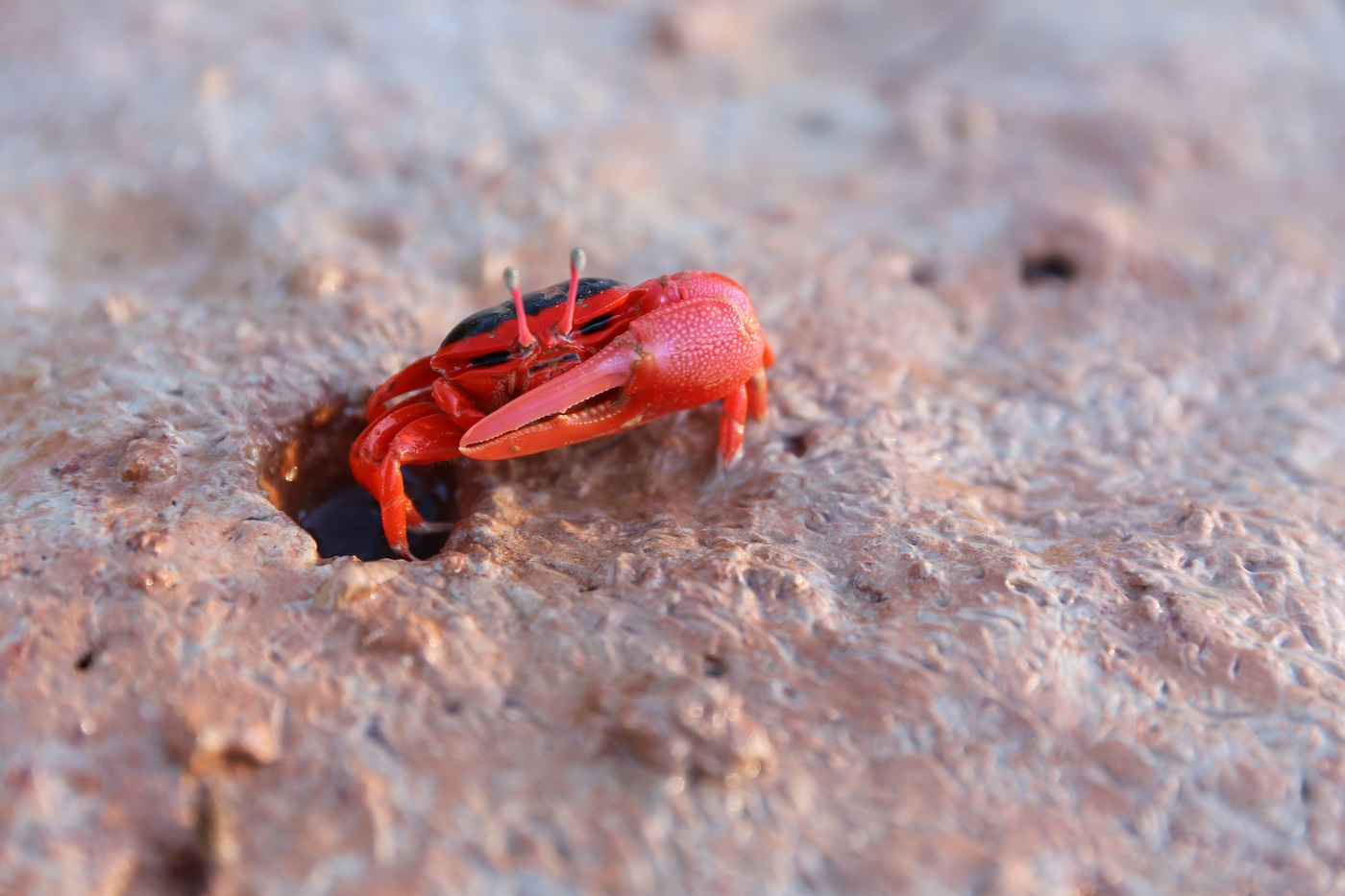
Crabs and shimps are amongst the new species that have been found. © Kandy Curran, 2013
With little research having been undertaken on the remote Kimberley coast, it is exciting to think of the marine life that awaits discovery. Read the news story here »
Aug 28 2013
Love mud and science?
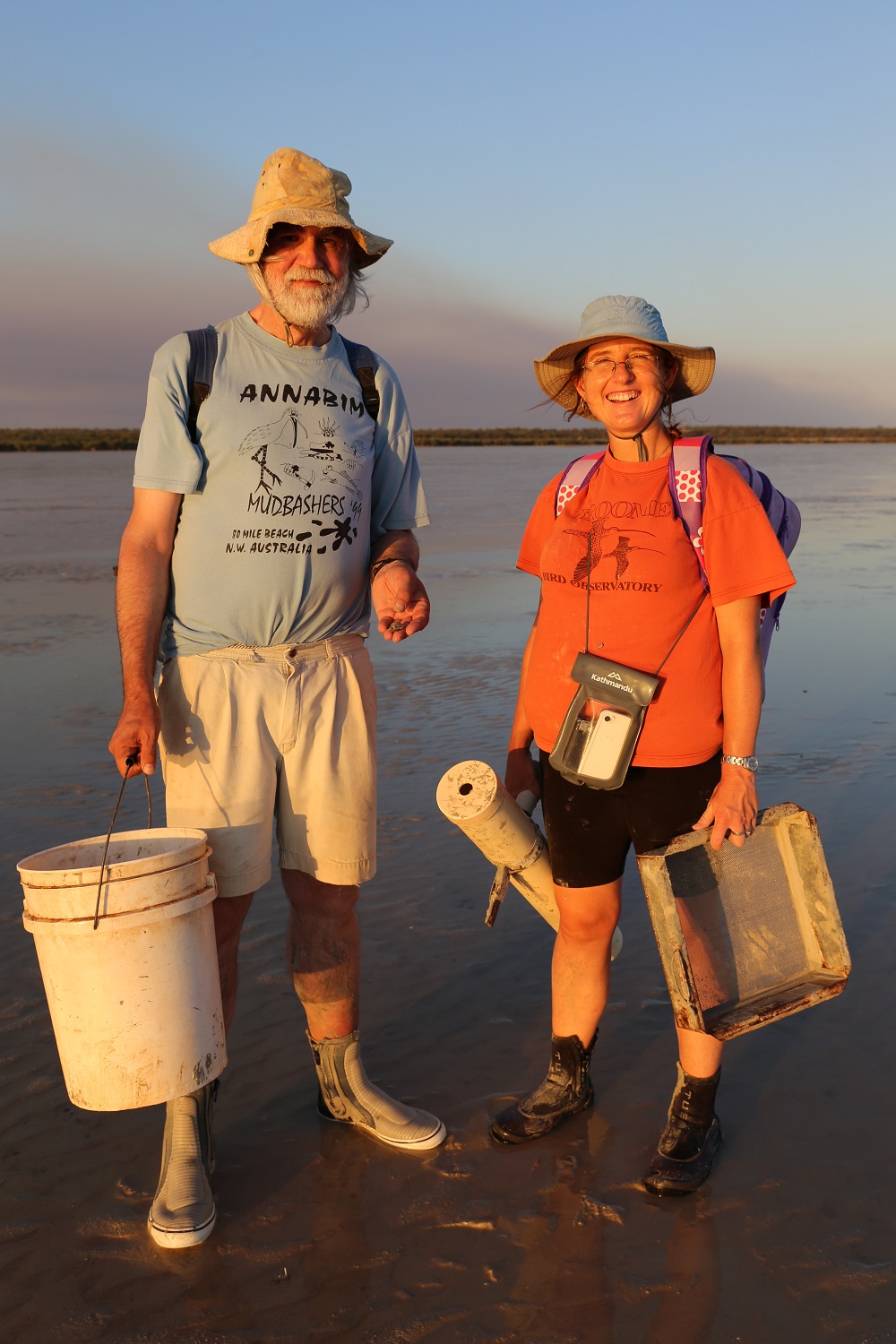
Dr Marc Lavaley and Dr Tanya Compton heading back after mud sampling for benthic life. © Kandy Curran
If you enjoy mud and volunteering in scientific projects on Roebuck Bay, there is a benthos (things in mud that birds eat) research project that needs volunteers from Aug 30-Sep 20. Contact Tanya: tanyajcompton@yahoo.com.au
Researcher Dr Tanya Compton
Project Description Use fine-scale sampling to identify how benthic species are distributed with respect to themselves, each other and functional traits across the tropical tidal flat of Roebuck Bay.
Team Marc Lavaleye, Tanya Compton, Micha Rijkenberg, Grant Pearson. Most sampling conducted by foot, with the exception of hard to reach and difficult sampling locations in Roebuck Bay i.e. Crab Creek and Bush Point.
Project Funders University of Groningen, Royal Netherlands Institute for Sea Research, Bennelongia Environmental Consultants.
Jul 23 2013
Coast Haven for Dolphins
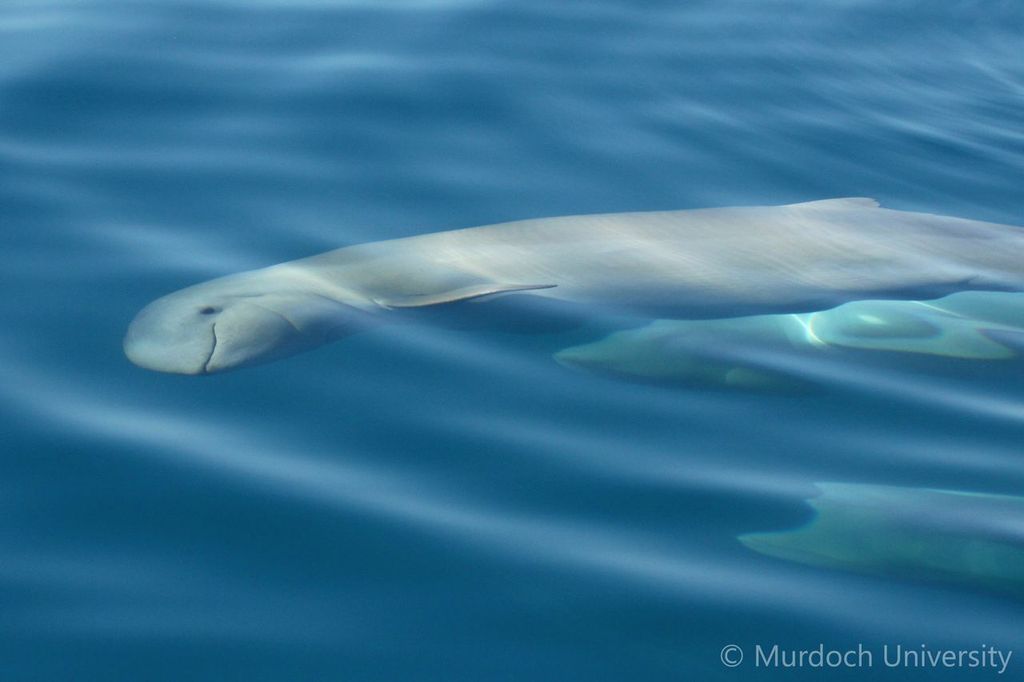
Roebuck Bay and Cygnet Bay in the West Kimberley have populations of three species: snubfin, humpback and Indo-Pacific bottlenose dolphins. © Jenny Smith
ALMOST everyone has a unique dolphin story to regale if they spend time on the coast of the Dampier Peninsula where inshore dolphins regularly cavort.
However until recently, there has been little research to identify the species, numbers and biology of inshore dolphins that inhabit the Kimberley coast. Moreover, whether they are at risk from water pollution. Read the story on Science Network WA »
May 25 2013
Roebuck’s muddy bay teams with invertebrates
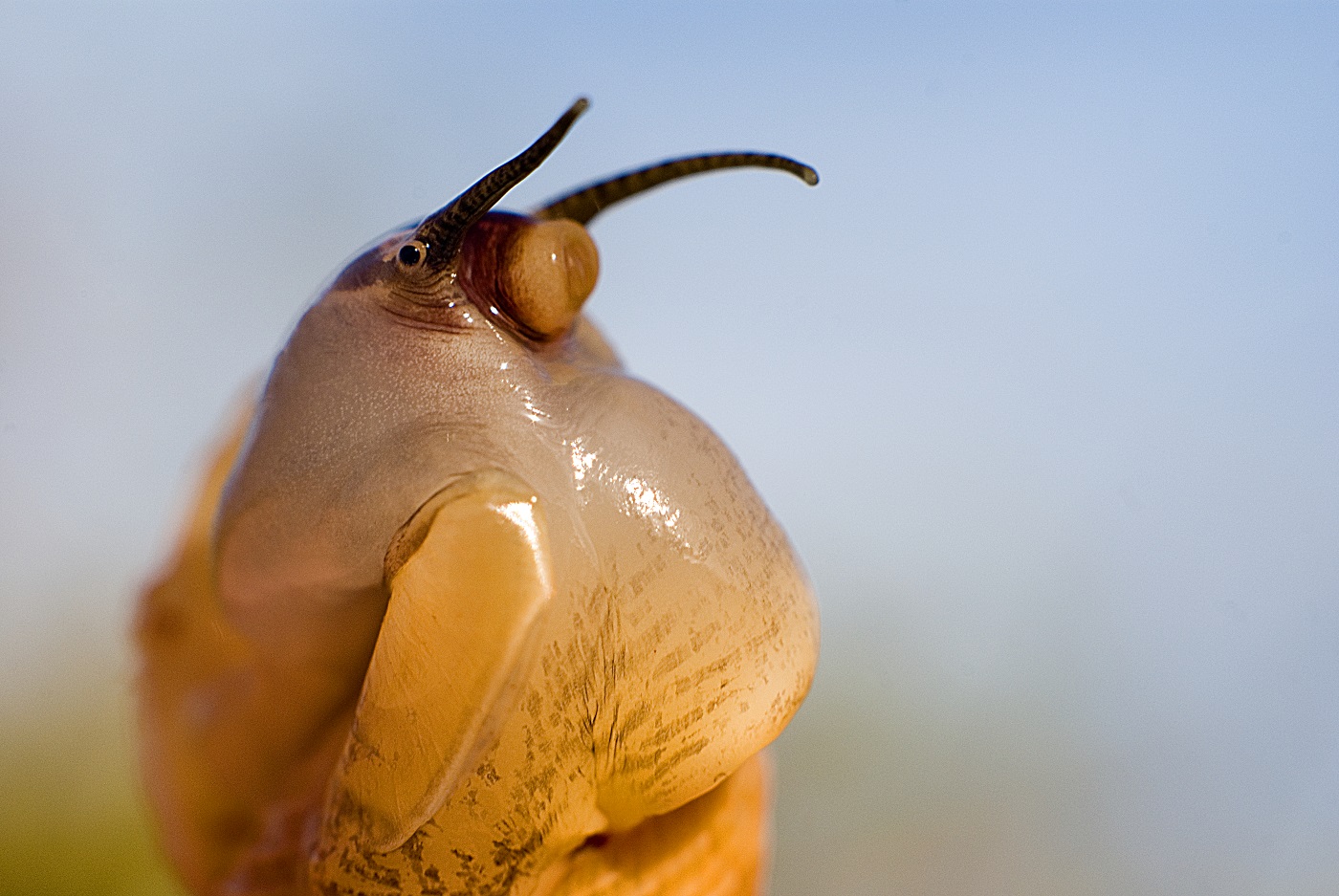
An amazing macro of an invertebrate snail in Roebuck Bay’s mudflats. © Peter Strain.
Getting up close and personal with Roebuck Bay’s minuscule mud dwellers has been an enjoyable obsession for photographer Peter Strain, who has spent hundreds of hours taking their photos. Read the wonderful story »
May 15 2013
Toxic Lyngbya
Worms are the most abundant invertebrate in Roebuck Bay.© Peter Strain
A UWA ecologist says most invertebrate populations in the mud of Roebuck Bay’s intertidal zone have decreased significantly after blooms of the toxic blue-green Lyngbya. Read the story in Science Network WA »
May 8 2013
Whale sharks
Want to learn about Whale sharks and how to be a local researcher?
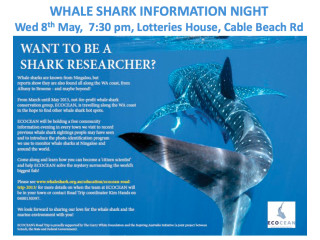 Come along to Lotteries house in Broome tonight at 7.30pm. This project is sponsored by Inspiring Australia.
Nov 26 2012
When do Roebuck Bay’s Invertebrates Reproduce?
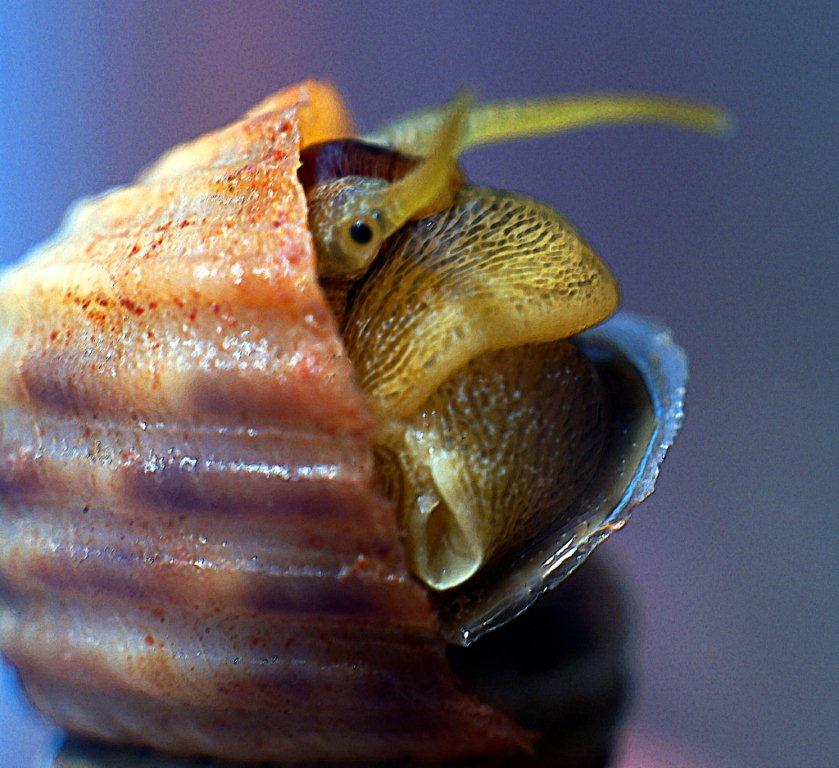
This wonderful photo was taken by professional photographer/filmmaker Peter Strain. The mudflats in Roebuck Bay are a haven for birds because they teem with small invertebrates, like this snail. @ Peter Strain
Have you wondered when the 600 or more invertebrate species that live in the mudflats of Roebuck Bay reproduce? Monthly sampling over the last twelve years indicates great variability amongst species, so at any given time there is likely to be a lot of eggs and sperm being released into the water, which are hopefully fusing and then developing into larvae, then invertebrates, which are the food for thousands of migratory shorebirds, fish and more… Lots of good reasons to keep our drains clean of rubbish, fertilisers and garden waste during the wet season, as they can become food algal blooms of Lyngbya and impact the water quality which is not good for the wonderful marine life that exists in Roebuck Bay.
- Here are some easy tips to Keep Our Bay Clean this wet season »
- Here are some tips to Fertilise Wisely and Keep Our Bay Clean
Nov 21 2012
Tips to keep snubbies safe in the bay
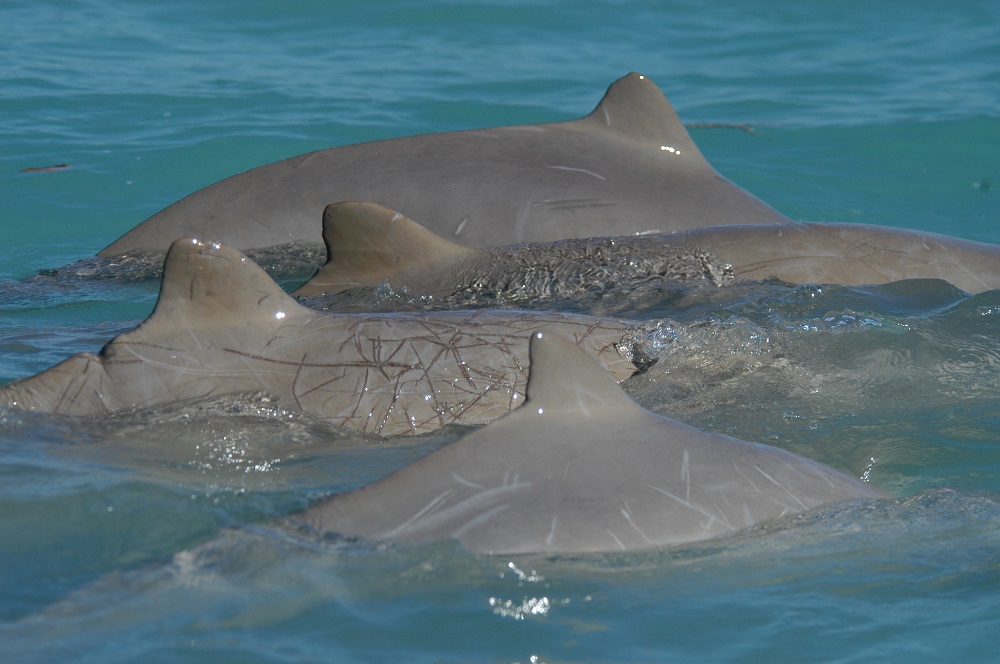
Snubfin dolphins like the shallow waters in Roebuck Bay, so keep boat speed down to avoid injuries to these rare cetaceans. @ Dr Deb Thiele
Roebuck Bay is recognised as a hotspot for Australian snubfin dolphins. Only discovered in 2005, snubfins are Australia’s only endemic dolphin. They do however need our communities help to survive. Here are tips for boaters in Roebuck Bay:
- Maintain a stable course – no sudden direction change.
- Keep speed to less than five knots around creeks, mangroves, seagrass and shallow turbid waters.
- Be on the lookout for dolphins and slow down or idle engine until they are well clear of the boat.
- Minimise loss of monofilament line by not fishing against mangroves or other areas where line can be lost, and make sure you retrieve line and hooks.
Oct 19 2012
From farmer to Broome’s leading shorebird expert
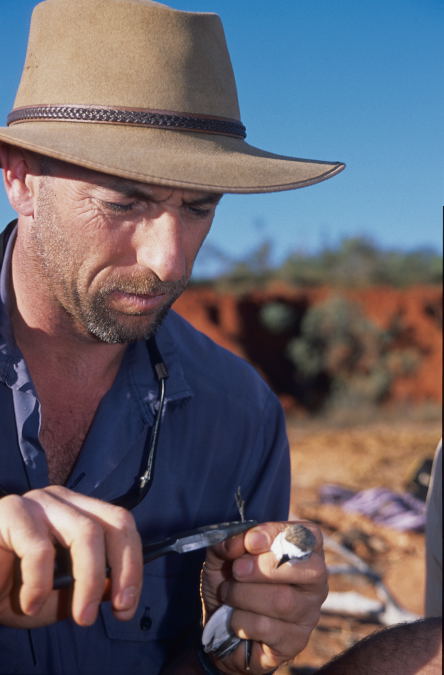
RBWG member Chris Hassell is a great contributor to shorebird conservation. © Kandy Curran
Read and listen to an interview with Chris Hassell, who has been an active member of the Roebuck Bay Working Group since 2004, makjing an outstanding contribution toward the management and protection of Roebuck Bay. Chris’ passion for the migratory shorebirds that migrate to Roebuck Bay each year is truly inspirational. Here is the link to hear and read more »
Next Entries »